Tuesday, 12 May, 2026
Junk Food

Junk Food Reality

Junk Food Reality: The Hidden Truth About Junk Food and Your Health

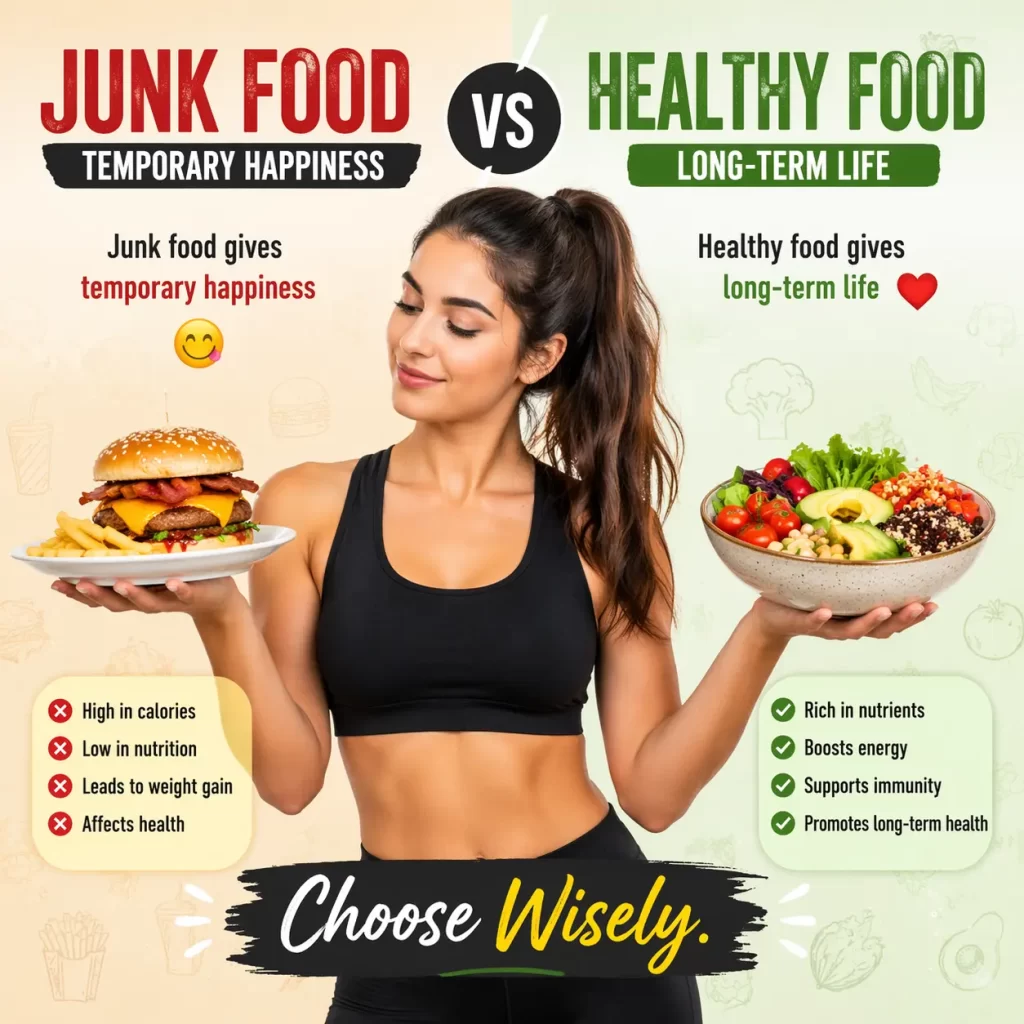
Junk food gives temporary happiness ๐Ÿ˜‹. Healthy food gives long-term life โค๏ธ. Choose wisely.

The Choice We Make Every Day

Letโ€™s be honest.

We all love junk food.

After a long day, nothing feels better than biting into a juicy burger, crispy fries, or a cheesy pizza. Itโ€™s quick, satisfying, and comforting.

But hereโ€™s the reality most people ignore:

๐Ÿ‘‰ Junk food gives you temporary happiness โ€” but long-term consequences.

On the other hand:

๐Ÿ‘‰ Healthy food may not excite you instantly, but it builds a stronger, healthier life over time.

Every meal you eat is not just food.

๐Ÿ‘‰ Itโ€™s a decision about your future.

Junk food vs healthy food comparison

What Is Junk Food? (Quick Definition)

Highly processed foods that are:

  • high in calories
  • low in nutrients
  • rich in sugar, salt, and unhealthy fats

Common examples include:

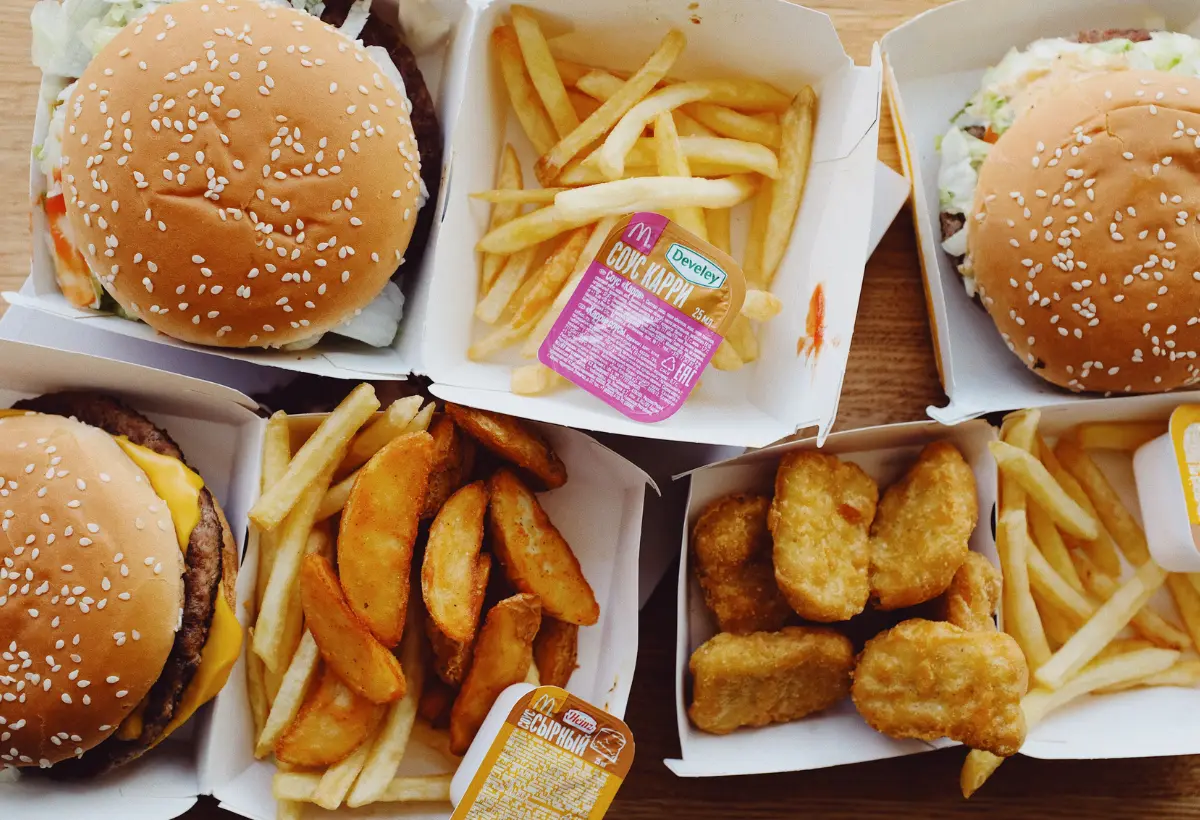
  • burgers
  • fries
  • sugary drinks
  • chips
  • processed snacks

These foods are designed for tasteโ€”not health.

Why Junk Food Feels So Good (But Isnโ€™t)

Engineered to trigger your brainโ€™s reward system.

When you eat it:

  • dopamine (feel-good hormone) increases
  • cravings intensify
  • satisfaction comes quickly

๐Ÿ‘‰ This creates instant pleasure.

But this pleasure is short-lived.

The Dopamine Trap

Works like a shortcut to happiness.

Instead of earning satisfaction through effort, your brain gets an immediate reward.

But hereโ€™s the catch:

  • the effect fades quickly
  • your brain wants more
  • cravings increase

This leads to a cycle:

๐Ÿ‘‰ Crave โ†’ Eat โ†’ Feel Good โ†’ Crash โ†’ Repeat

The Hidden Effects of Junk Food

While junk food feels harmless in the moment, its long-term impact is significant.

1. Energy Crashes

After eating junk food:

  • blood sugar spikes
  • energy rises quickly
  • then drops sharply

Result:

๐Ÿ‘‰ fatigue, laziness, and low productivity

2. Weight Gain and Health Risks

Regular consumption of junk food can lead to:

  • obesity
  • heart disease
  • diabetes
  • high cholesterol

These are not immediateโ€”but they build over time.

3. Poor Mental Clarity

Junk food doesnโ€™t just affect your body.

It affects your mind.

You may experience:

  • brain fog
  • lack of focus
  • reduced motivation

4. Addictive Eating Patterns

Because of high sugar and fat content, junk food can become addictive.

You start eating:

๐Ÿ‘‰ not because youโ€™re hungry
๐Ÿ‘‰ but because youโ€™re craving

Healthy Food: The Underrated Power

Now letโ€™s look at the other side.

Healthy food may not give you instant excitement.

But it gives you something more valuable:

๐Ÿ‘‰ consistent energy and long-term health

What Makes Food โ€œHealthyโ€?

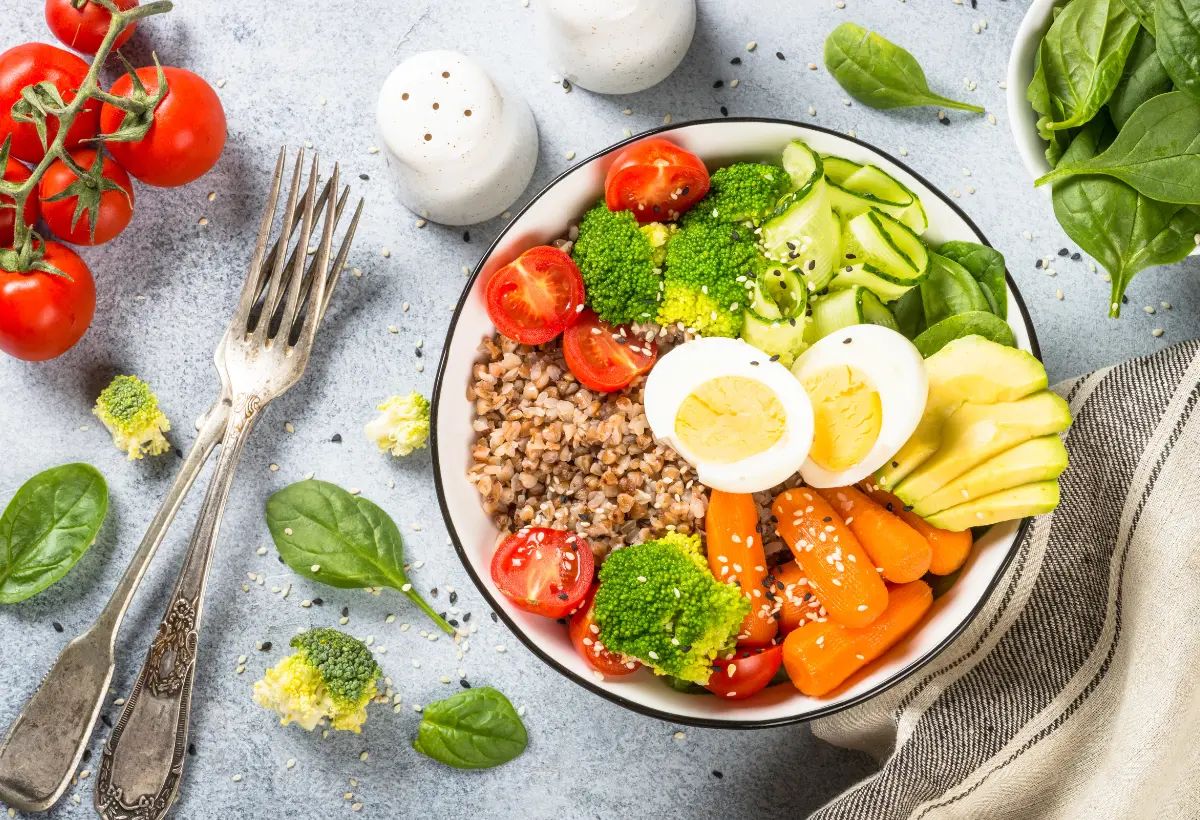
Healthy food includes:

  • whole grains
  • fresh vegetables
  • fruits
  • lean protein
  • healthy fats

These foods provide:

โœ” essential nutrients
โœ” balanced energy
โœ” better digestion

Junk Food vs Healthy Food: The Real Difference

Letโ€™s break it down clearly:

๐Ÿ” Junk Food

  • Instant happiness ๐Ÿ˜‹
  • High calories, low nutrients
  • Energy spikes and crashes
  • Increases health risks
  • Addictive behaviour

๐Ÿฅ— Healthy Food

  • Subtle satisfaction โค๏ธ
  • Nutrient-rich
  • Stable energy levels
  • Supports long-term health
  • Builds strong habits

๐Ÿ‘‰ The difference is simple:

Junk food feeds your cravings.
Healthy food fuels your life.

Why People Still Choose Junk Food

If healthy food is better, why do people still choose junk?

Because of:

1. Convenience

Junk food is fast and easily available.

2. Taste

Itโ€™s designed to be irresistible.

3. Emotional Eating

People eat junk food when stressed, bored, or tired.

4. Instant Gratification

Humans naturally prefer quick rewards over long-term benefits.

The Smarter Way to Think About Food

Instead of asking:

๐Ÿ‘‰ โ€œWhat do I feel like eating right now?โ€

Ask:

๐Ÿ‘‰ โ€œHow do I want to feel later?โ€

This mindset shift changes your decisions.

Because food affects:

  • your energy
  • your mood
  • your productivity
  • your long-term health

Practical Tips to Reduce Junk Food Consumption

You donโ€™t need to quit junk food completely.

You just need better control.


Step 1: Start Small

  • replace one junk meal per day
  • add one healthy meal

Step 2: Keep Healthy Options Ready

  • prepare meals in advance
  • keep fruits and snacks accessible

Step 3: Understand Your Triggers

Ask yourself:

  • Am I hungry or just bored?
  • Am I stressed or emotional?

Step 4: Follow the 80/20 Rule

  • 80% healthy food
  • 20% occasional treats

This creates balance without restriction.

Step 5: Stay Hydrated

Sometimes cravings are actually dehydration.

Drink water before eating.

The Long-Term Impact of Your Choices

Every small decision matters.

One burger wonโ€™t harm you.

But daily habits will.

Over time:

๐Ÿ‘‰ junk food leads to problems
๐Ÿ‘‰ healthy food leads to strength

The Bigger Picture: Food Is Not Just Food

Food is:

  • fuel
  • medicine
  • lifestyle

It affects how you:

  • think
  • feel
  • perform

Choosing better food is choosing a better life.

Choose Wisely

At the end of the day, the choice is simple.

๐Ÿ‘‰ Junk food gives you a moment
๐Ÿ‘‰ Healthy food gives you a future

Every time you eat, youโ€™re making a decision.

Not just for todayโ€”

But for your long-term health.

โค๏ธ Choose wisely.

Because your body remembers what your taste forgets.

โ“ Frequently Asked Questions (FAQs)

1. Is it okay to eat junk food occasionally?

Yes. Occasional junk food is fine if balanced with a healthy diet. Moderation is key.

Junk food contains high sugar, fat, and salt, which trigger dopamine and create cravings.

Itโ€™s possible but difficult. Healthy food makes weight management easier and sustainable.

Whole foods like fruits, vegetables, lean proteins, and whole grains are the best alternatives.

Stay hydrated, eat balanced meals, and avoid emotional eating triggers.